
Bedrock Flatbed Features That Matter for Working Trucks
The Bedrock flatbed features that matter most are not flashy extras. They are the details that help a truck carry materials, secure equipment, access tools, and stay useful after long days of hard work.
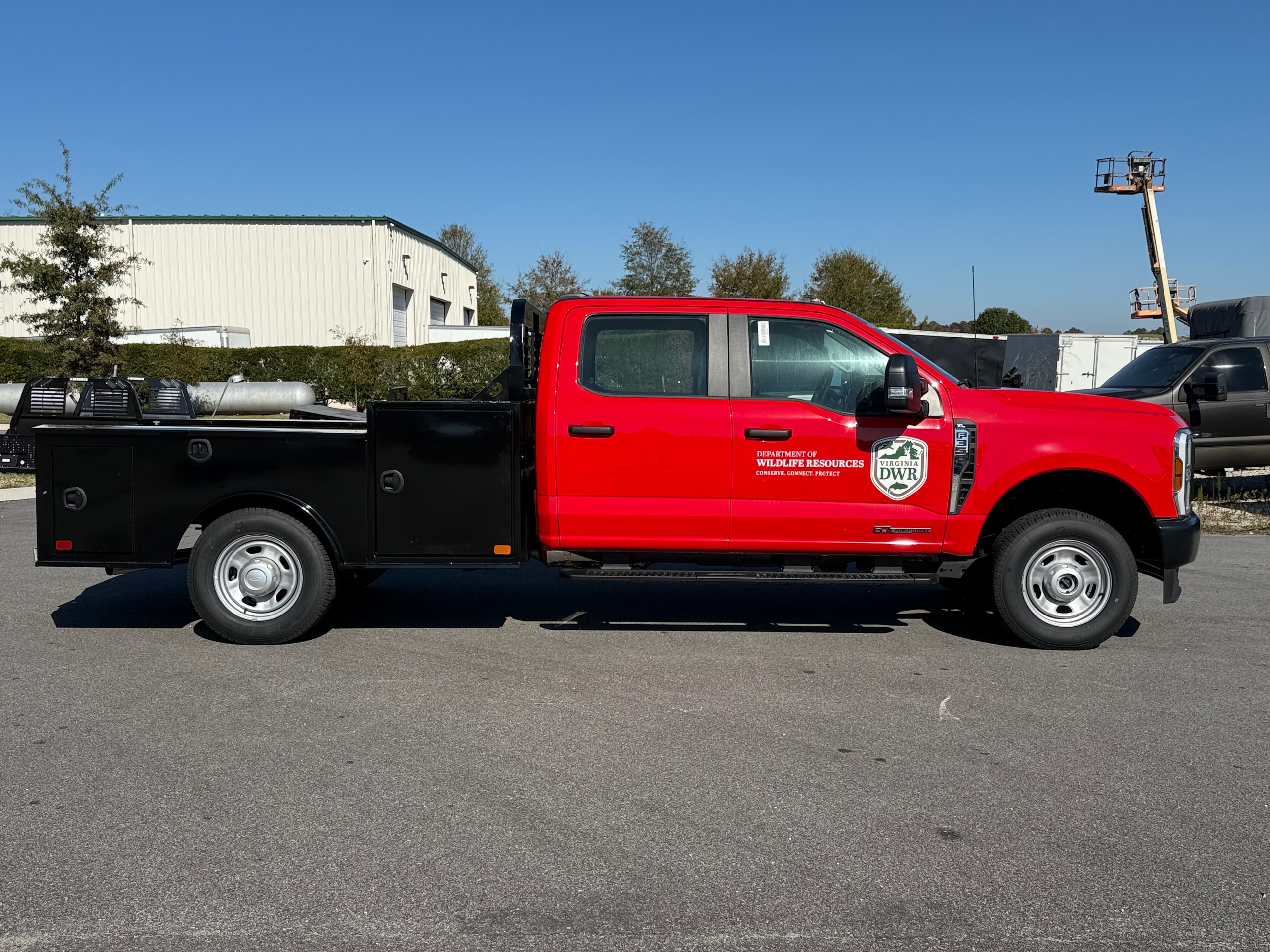
A flatbed earns its place one load, one trailer hookup, and one muddy jobsite at a time. The Bedrock flatbed features that matter most are not flashy extras. They are the details that help a truck carry materials, secure equipment, access tools, and stay useful after long days of hard work.
For contractors, farm operators, landscapers, towing customers, and fleet owners, the right bed comes down to how the truck is actually used. A bed set up for pallets and job boxes may need a different configuration than one pulling a gooseneck every week. Bedrock steel flatbeds give buyers a commercial-minded foundation, while the final configuration should match the truck, the payload, and the work ahead.
Bedrock Flatbed Features Start With Steel Construction
The main reason many working truck owners choose a steel flatbed is simple: steel is built for abuse. It handles regular loading, shifting cargo, dropped tools, and the day-to-day contact that comes with commercial use. A properly installed steel bed provides a stable work platform without asking the truck owner to baby it.
Bedrock flatbeds are designed around a heavy-duty, work-truck purpose. The bed structure, headache rack, stake pockets, rub rails, and integrated components work together to create a platform that can take regular use. That matters when a truck carries lumber one day, equipment the next, and a loaded trailer on Friday.
Steel does bring a trade-off. It generally weighs more than aluminum, which can affect available payload depending on the truck's GVWR and the equipment added to the bed. For many buyers, the durability and repairability of steel make that trade worthwhile. The right answer depends on the truck's rating, the expected load, and whether the priority is maximum payload or a bed that can take repeated punishment.
A Flat Deck That Works Beyond the Jobsite
A flat deck gives you usable loading space without the limitations of factory pickup-box sides. Long material can overhang where it needs to. Pallets can be loaded from the side. Odd-shaped equipment has room to sit flat and be tied down correctly.
This is where bed length and deck layout deserve more attention than most people give them. A short wheelbase truck, a long-wheelbase truck, a single rear wheel truck, and a dually all call for different fitment considerations. Clearance, wheel coverage, rear overhang, and fuel-fill access need to be handled correctly from the start.
The deck also needs to fit how you load. If a skid steer bucket, forklift, or pallet jack regularly comes near the truck, ask about usable deck space and any raised components that could interfere with loading. If you hand-load pipe, ladders, or sheet goods, easy access from the side may matter more than open center space.
Tie-Down Points Are Not a Detail
Cargo control is one of the most practical flatbed features. Stake pockets, rub rails, and properly positioned tie-down locations give you options when the load changes. They help keep straps from running across sharp edges or pulling at awkward angles.
A bed with several secure attachment points is more useful than one that only works well for a single type of load. That flexibility is especially valuable for service trucks and owner-operators who may haul materials, machines, generators, toolboxes, or recreational equipment in the same month.
Securement still comes down to the operator. Use rated straps, chains, binders, and anchors appropriate for the load, and inspect them before heading out. The bed gives you the foundation, but safe hauling depends on the complete setup.
Headache Racks, Lighting, and Visibility
A headache rack protects the back of the cab from shifting cargo while giving the bed a finished, work-ready look. It is especially useful for pipe, lumber, ladders, and equipment that may move forward under braking. Depending on the configuration, the rack can also provide a place for auxiliary lights or a rear-window guard.
Lighting is another feature that should be selected for the work, not just the appearance. Good rear lighting, marker lights, and license-plate illumination help keep the truck visible early in the morning, after dark, and in bad weather. If you routinely back into tight sites, connect trailers before sunrise, or work roadside, visibility is a safety issue and a productivity issue.
Electrical work needs to be clean and protected. Loose wiring, poor grounds, and exposed connections are the kind of small problems that create frustrating downtime later. Professional installation helps ensure lights, trailer connections, and added accessories operate as they should when the truck is needed.
Storage Changes How the Truck Works
Tool storage can be one of the biggest upgrades for a working flatbed. Underbody boxes and deck-mounted storage keep common gear close while preserving the open deck for material and equipment. Instead of filling the cab with straps, chains, hand tools, and trailer gear, the truck can stay organized and ready to go.
There is no one correct storage layout. A contractor may need lockable boxes for power tools and fasteners. An agricultural customer may need room for chains, binders, hitch accessories, and repair supplies. A hotshot operator may prioritize equipment that stays accessible during a quick stop without blocking the deck.
More storage is not automatically better. Every box uses space, adds weight, and can change access around the bed. The best layout puts the gear you use most where you can reach it without climbing over cargo or crawling under the truck.
Consider Access Before Adding Boxes
Think through how the truck is used when it is loaded, not when it is empty. Can you open the box doors with a trailer attached? Will a toolbox interfere with a gooseneck hookup? Can you reach straps and chains from the ground? These are the questions that prevent a useful-looking bed from becoming an everyday inconvenience.
Towing Features Need the Right Match
Many flatbed buyers need their truck to pull as well as carry. Receiver hitches, trailer plug locations, safety-chain access, and gooseneck or fifth-wheel provisions all need to work together. A towing setup should be selected by trailer type, loaded trailer weight, tongue or pin weight, and the truck's ratings — not by what looks heavy-duty.
For gooseneck and fifth-wheel users, the bed must provide proper access around the hitch area. If you need a receiver hitch or brake controller installed, that work should be planned alongside the bed build. You need room to connect the coupler, operate safety equipment, and make electrical connections without fighting a box or rack. The trailer's front clearance during turns also needs to be checked, particularly with short-bed trucks, lifted trucks, or specialty trailers.
A flatbed does not increase the truck's factory towing or payload ratings. Those limits still apply. Good equipment and a clean installation support safer, more practical towing, but they do not change the numbers on the truck's door sticker or owner's manual.
Finish and Serviceability Matter Over Time
Work trucks live outside. They see road spray, jobsite mud, fertilizer, salt air, gravel, and whatever gets dragged across the deck. A durable finish helps protect the steel and keeps the bed looking professional, but it still needs regular attention.
Wash off corrosive material, inspect the bed for chipped coating, keep drains and storage compartments clear, and address damage before rust gets established. Steel is repairable, which is one reason it remains a practical choice for trucks that work for a living. Small repairs done early are far less expensive than a full refinish or replacement down the road.
Ready to Spec a Bedrock Flatbed for Your Truck?
HCR Custom Fabrication is an authorized Bedrock Flatbeds dealer and installer in Chesapeake, VA. We sell and install the full Bedrock lineup — Granite, Granite Plus, Diamond, Onyx, and Marble — and we can help you figure out which model and configuration makes sense for your truck and your work.
Give us a call, send a message, or stop by the shop. We'll talk through the options and get you set up right.
Explore Topics
Written by
HCR Custom Fabrication
Metal fabricators serving Hampton Roads from our shop in Chesapeake, VA. Custom steel flatbeds, job carts, RV tow bars, and more — built to spec, built to last.
HCR Custom Fabrication — Chesapeake, VA
Ready to Build Something That Lasts?
Serving Hampton Roads contractors, truck owners, and fleet shops from our shop in Chesapeake, VA.
Get a Free Quote